


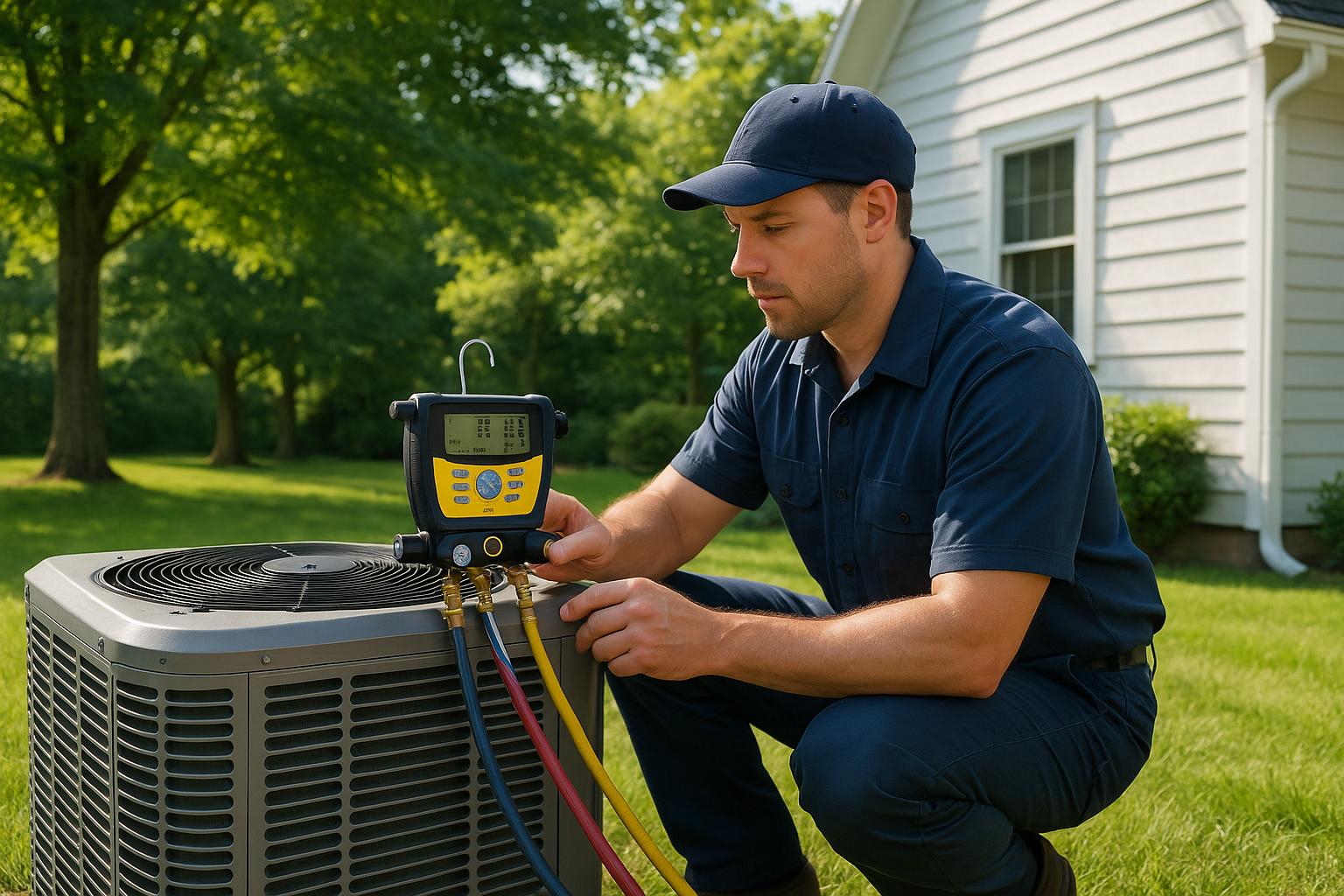
Connecticut summers are no joke. When temperatures push into the 90s and humidity makes it feel even worse, your HVAC system is not just a comfort appliance — it is what keeps your family healthy, your home livable, and your energy costs under control. The last thing you want is to discover a problem in July when every HVAC company in the state is booked solid for two weeks.
The good news: most HVAC failures do not happen without warning. Your system will typically show signs weeks or even months before it breaks down completely. Knowing what to look for — and acting on it before Memorial Day — is the difference between a $150 tune-up and a $3,500 emergency replacement call at 11 PM on a Friday. Here are the five most reliable signs your HVAC system needs servicing before summer — and what each one means for your repair bill if you ignore it.
1. Warm Air Coming From Your Vents
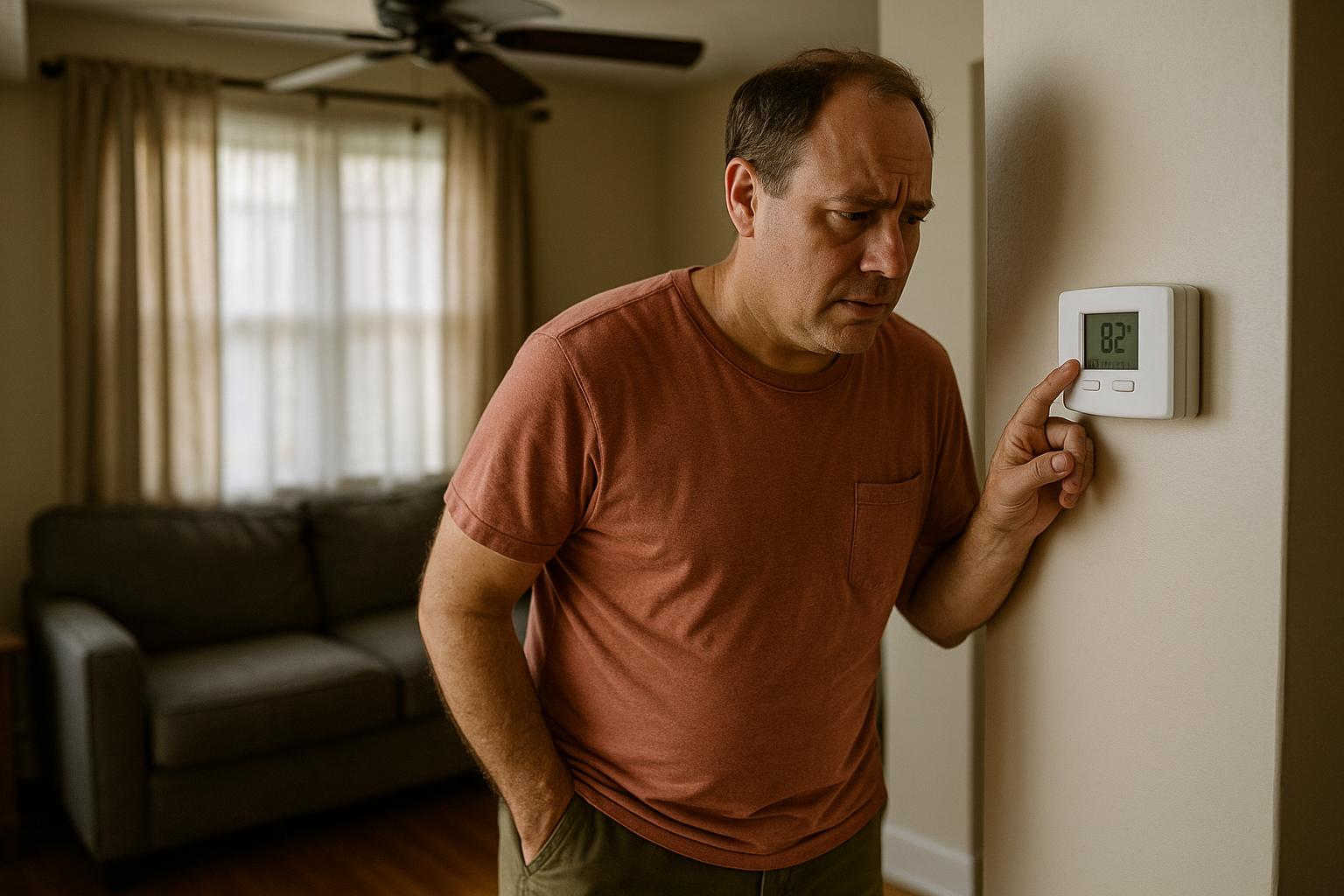
Turn your AC on and hold your hand over a supply vent. Within a few minutes, you should feel noticeably cool air flowing out. If what you feel is lukewarm, room-temperature, or even slightly warm air, your system has a problem — and it is not going to fix itself over the winter.
The two most common culprits are a low refrigerant charge and a failing compressor. Refrigerant does not deplete on its own — if the level is low, that means there is a leak somewhere in the system. Running your AC with low refrigerant does not just reduce cooling efficiency; it causes the compressor to work overtime trying to compensate. Over time, this leads to compressor burnout, which is one of the most expensive repairs in HVAC.
A refrigerant leak caught early costs $300-$600 to diagnose, recharge, and repair. Waiting until the compressor fails multiplies that cost by 4 to 8 times.
If your system is blowing warm air this spring, schedule a central air conditioning service before you need it for the summer. A certified HVAC technician can identify and fix the leak, restore refrigerant to the correct charge, and have your system running at full capacity again.
2. Unusual Noises When the System Runs
A properly functioning HVAC system should be nearly silent during normal operation — just a soft whoosh of air through the vents and a quiet hum from the outdoor unit. Any other sound is your system communicating a specific problem, and the noise itself is often a clue to what is wrong.
Grinding or screeching from the indoor air handler almost always means the blower motor bearings are failing. These bearings wear down over time and when they go, the motor seizes. Banging or clanking from the outdoor unit points to a loose or broken component — possibly a fan blade that has shifted, a mounting bolt that has vibrated loose, or debris caught in the fan housing. Rattling is often ductwork that has come loose at a joint. High-pitched squealing on startup can indicate a failing capacitor, which is a relatively inexpensive repair if caught early — but a failed capacitor will prevent the system from starting at all.
Do not ignore noises just because the system is still cooling. A loose fan blade that keeps running can warp and destroy the motor housing. Failed bearings that keep spinning will seize the motor completely. If your unit is making sounds it did not make last summer, get it looked at before the season starts.
Schedule a diagnostic visit before the season starts — catching a $180 capacitor before it fails is far better than a no-AC call in July.
3. Weak Airflow or Restricted Circulation
Walk through your home with the AC running and pay attention to the airflow at each supply vent. Every room should have consistent, strong airflow. If some rooms are significantly weaker than others, or if the airflow throughout the whole house feels weak compared to previous years, the system has a restriction problem.
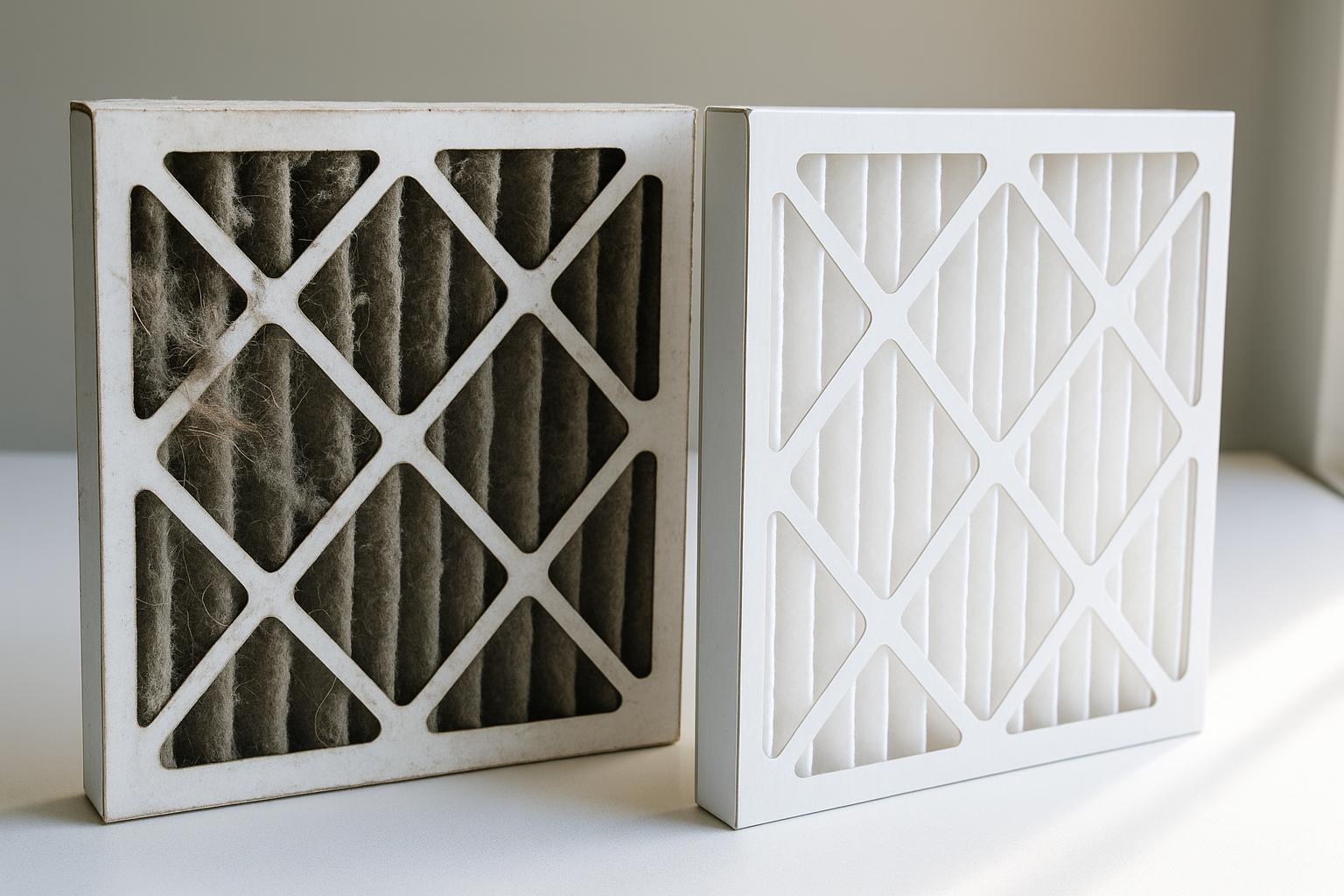
The most common cause — and the one homeowners overlook most often — is a clogged air filter. A dirty filter does not just reduce airflow; it forces the blower motor to work harder to pull air through, increases energy consumption, and can cause the evaporator coil to freeze over (which stops cooling entirely). Most manufacturers recommend replacing standard 1-inch filters every 30-90 days depending on usage. If you have pets or live near a dusty road, every 30 days is appropriate. If you cannot remember the last time you changed your filter, it is overdue.
Beyond the filter, weak airflow can also point to blocked or collapsed ductwork, a failing blower motor, or duct leaks dumping conditioned air into your attic or crawlspace instead of your living areas. If changing the filter does not fix the airflow problem within a day, call a technician. Our HVAC services in Connecticut include full duct inspections and blower diagnostics to identify exactly where the restriction is coming from.
4. High Indoor Humidity Despite the AC Running
One of the functions people forget about central air conditioning is dehumidification. As warm air passes over the cold evaporator coil, moisture condenses and drains out of the system. A properly functioning AC should keep your indoor humidity in the 45-55% relative humidity range on a normal Connecticut summer day. If your home feels sticky, clammy, or muggy even with the AC running, something is off.
The most likely cause is short-cycling — the system is turning on and off too frequently without completing a full cooling cycle. Each time the AC runs, it takes a few minutes for the evaporator coil to get cold enough to start pulling moisture effectively. If the system shuts off after two or three minutes, it never reaches that point. Short-cycling is most often caused by an oversized system, a refrigerant issue, or a faulty thermostat sending incorrect signals to the system.
A home that stays humid even with the AC running is consuming more energy than it should. The system is running but not delivering the full value of what you are paying for. If you notice this pattern as temperatures rise in May and June — particularly in homes across West Hartford and Plainville where summer humidity can be oppressive — get a diagnostic done before peak season.
5. Rising Energy Bills: A Clear Sign Your HVAC System Needs Servicing
Pull up your electric bills from last May and June and compare them to what you are seeing now. A meaningful spike in your energy costs — 15% or more than the same period last year, without a corresponding increase in usage or utility rates — is a reliable signal that your HVAC system is losing efficiency.
HVAC systems do not age gracefully when they are not maintained. Dirty evaporator and condenser coils reduce heat transfer efficiency, forcing the system to run longer cycles to achieve the same temperature. Worn bearings increase motor friction and power draw. Low refrigerant makes the compressor work harder. Duct leaks mean the system conditions air that never reaches you. Every one of these issues adds directly to your electric bill, and they compound over time. A system that was 15 SEER when it was new might be operating at an effective 10-11 SEER after years without service.
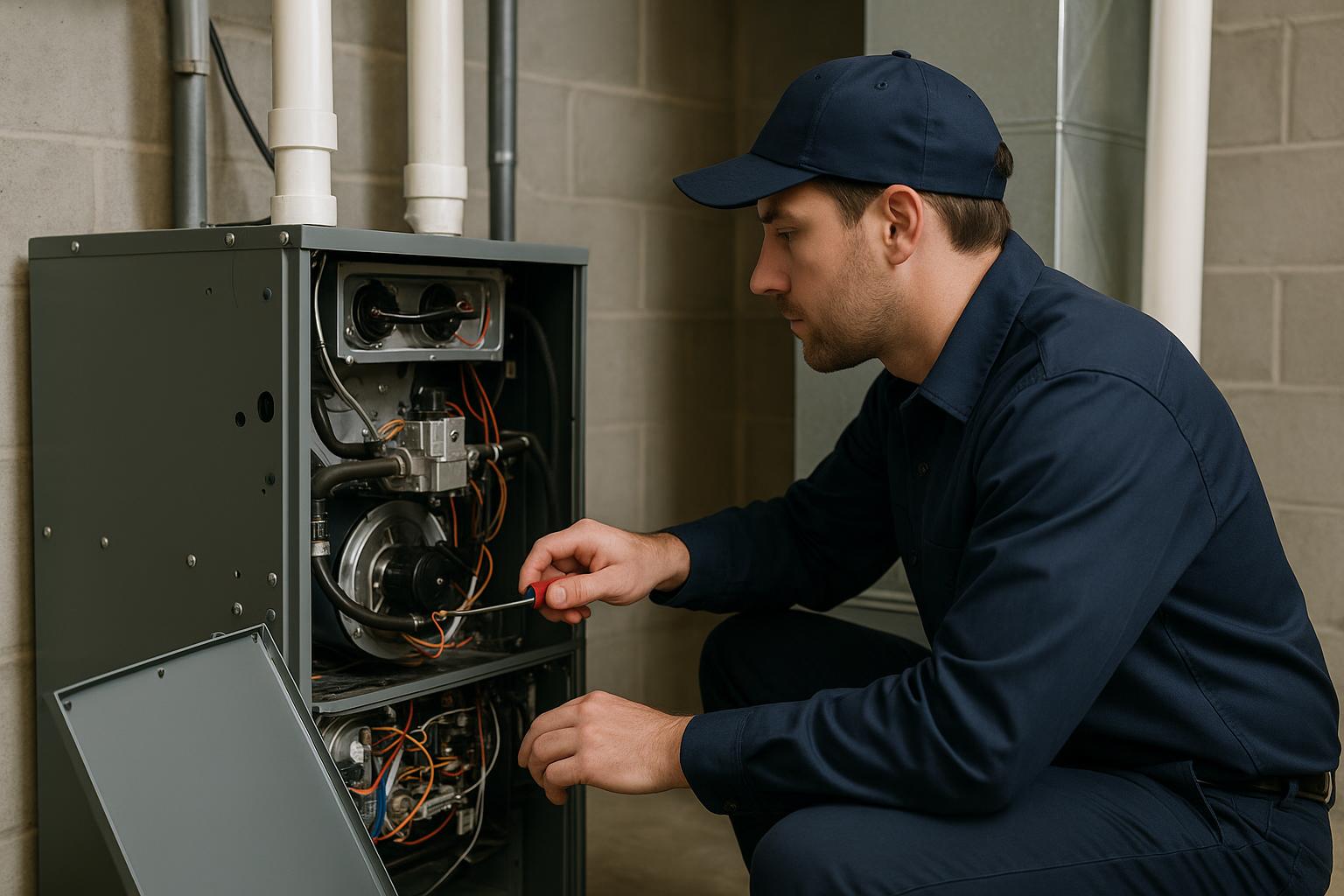
One $120 preventive tune-up that catches a failing $180 capacitor is far better than a $450 emergency service call after it fails on a 95-degree Saturday.
One annual hvac maintenance visit typically costs $89 to $150 — far less than the compounding repair costs an unmaintained system will generate. If you are considering upgrading to a more efficient system, our team can walk you through the options for heat pump service and installation in Connecticut, along with available HVAC financing that makes the upgrade manageable without paying everything upfront.
Frequently Asked Questions
If repair cost exceeds 50% of replacement cost AND the system is 10+ years old, replacement is almost always the smarter financial decision. A new high-efficiency system typically pays back the investment in energy savings within 5-7 years.
What areas of Connecticut does Express Home Services cover?
We serve homeowners throughout central Connecticut including West Hartford, Plainville, New Britain, Farmington, Glastonbury, and surrounding towns. Our HVAC services in Connecticut cover installation, repair, and maintenance for central air conditioning, heat pumps, ductless mini-splits, and heating systems. We are a Mitsubishi Diamond Dealer and licensed, insured HVAC contractor in Connecticut.
If your system is showing any of these signs that it needs HVAC servicing, do not wait for a breakdown. Express Home Services provides same-day HVAC service throughout Connecticut. We are a Mitsubishi Diamond Dealer and licensed CT HVAC contractor with a 5.0-star rated team that has been serving Connecticut homeowners for years. Whether it is a quick tune-up, a refrigerant issue, or a full system evaluation, we will give you a straight answer on what your system needs and what it will cost before any work begins.
Ask about our Comfort Club maintenance plan — members get priority scheduling, discounts on repairs, and annual tune-ups included, so your system is always ready before summer hits. Call us at (860) 606-4872 or request a free estimate online.