

Most homeowners never think about their HVAC system until something goes wrong. But if your furnace is pushing 18 years or your AC has been limping through summers for a decade, knowing how long an HVAC system typically lasts, and what shortens that window, can save you from a breakdown at the worst possible time.
In Connecticut, where winters drop into the single digits and summers bring humid 90 degree heat, HVAC systems work harder than in milder climates. That workload matters. This guide covers the average lifespan of each major HVAC component, the factors that cut life short, and how to decide when repair no longer makes sense.
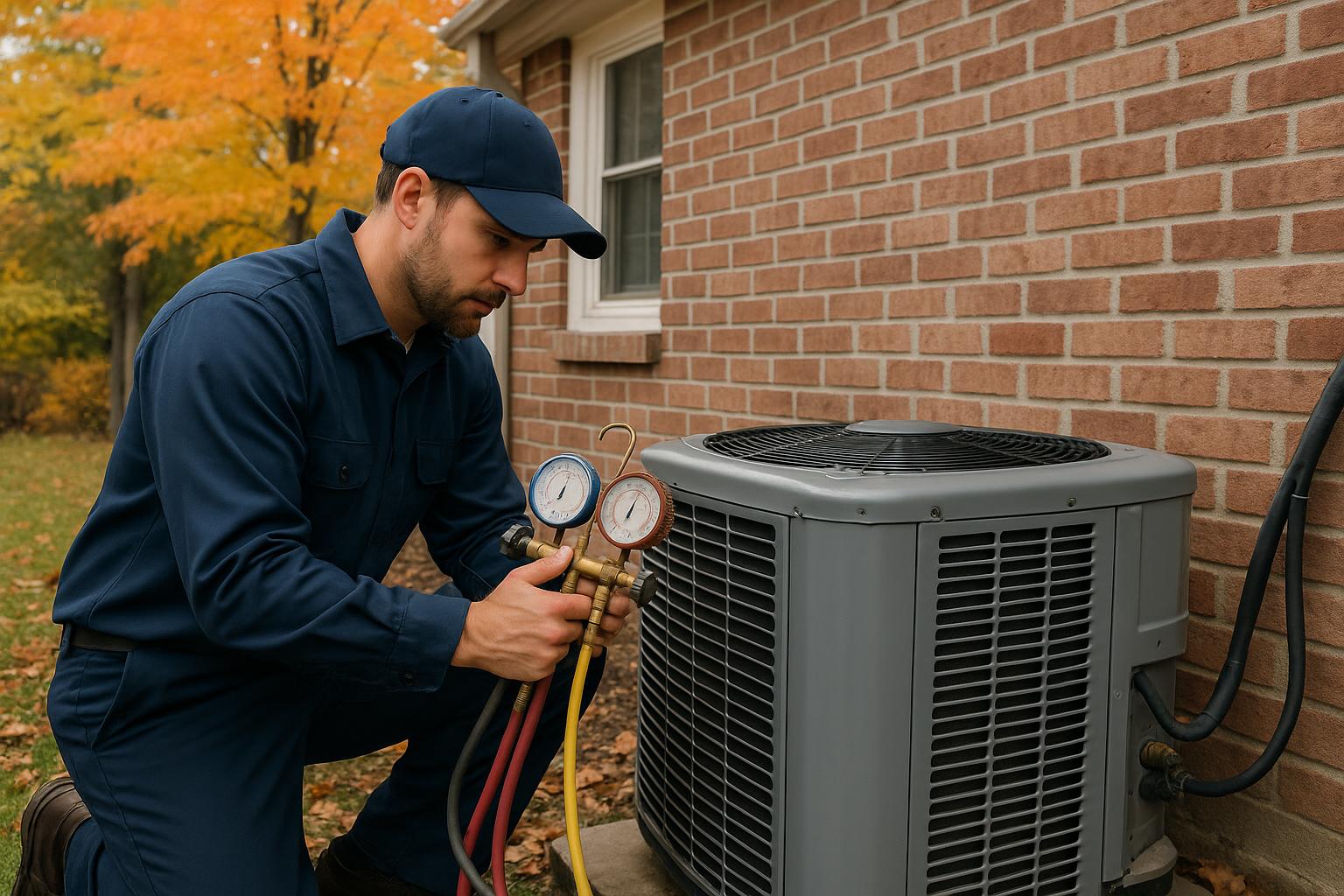
Average HVAC Lifespan by System Type
There is no single answer to how long an HVAC system lasts because the term “HVAC” covers several different pieces of equipment. Here is what Connecticut homeowners should expect from each one:
Central Air Conditioner: 12 to 17 Years
A central air conditioning system typically lasts 12 to 17 years with regular maintenance. In Connecticut, where AC units run hard from late June through early September, systems on the shorter end of that range are more common than homeowners expect. Neglected annual tune ups and dirty coils accelerate wear on the compressor, the most expensive component to replace.
If your central AC is over 12 years old, it is worth having a technician assess its condition before summer hits. A compressor failure on an aging system almost always means replacement, not repair.
Gas Furnace: 15 to 25 Years
Furnaces are workhorses. A well maintained gas furnace can last 20+ years in Connecticut homes. The wide range comes down to maintenance frequency and operating conditions. A furnace that receives annual tune ups, has clean filters, and operates in a properly sealed home will reach the upper end. One that runs through Connecticut winters without any professional service will not.
Heat exchangers are the critical component to watch on older furnaces. A cracked heat exchanger is a carbon monoxide risk and is not repairable. After 20 years, furnace replacements are almost always the right call even if the system is technically still operational.
Heat Pump: 15 to 20 Years
Heat pumps run year round in Connecticut, heating in winter, cooling in summer, which puts more operational hours on them than a furnace or AC that runs only one season. The tradeoff is efficiency: a properly sized heat pump costs less to operate than a gas furnace and eliminates the need for separate cooling equipment. Heat pump installation and replacement in Connecticut is one of the most common replacements Express handles.
With annual maintenance, expect 15 to 20 years. Without it, expect less.
Ductless Mini Split: 15 to 20 Years
Ductless mini splits share the same general lifespan as heat pumps, 15 to 20 years, with proper maintenance. Their advantage is that individual zones can be repaired or replaced without affecting the rest of the system.
Boiler: 15 to 30 Years
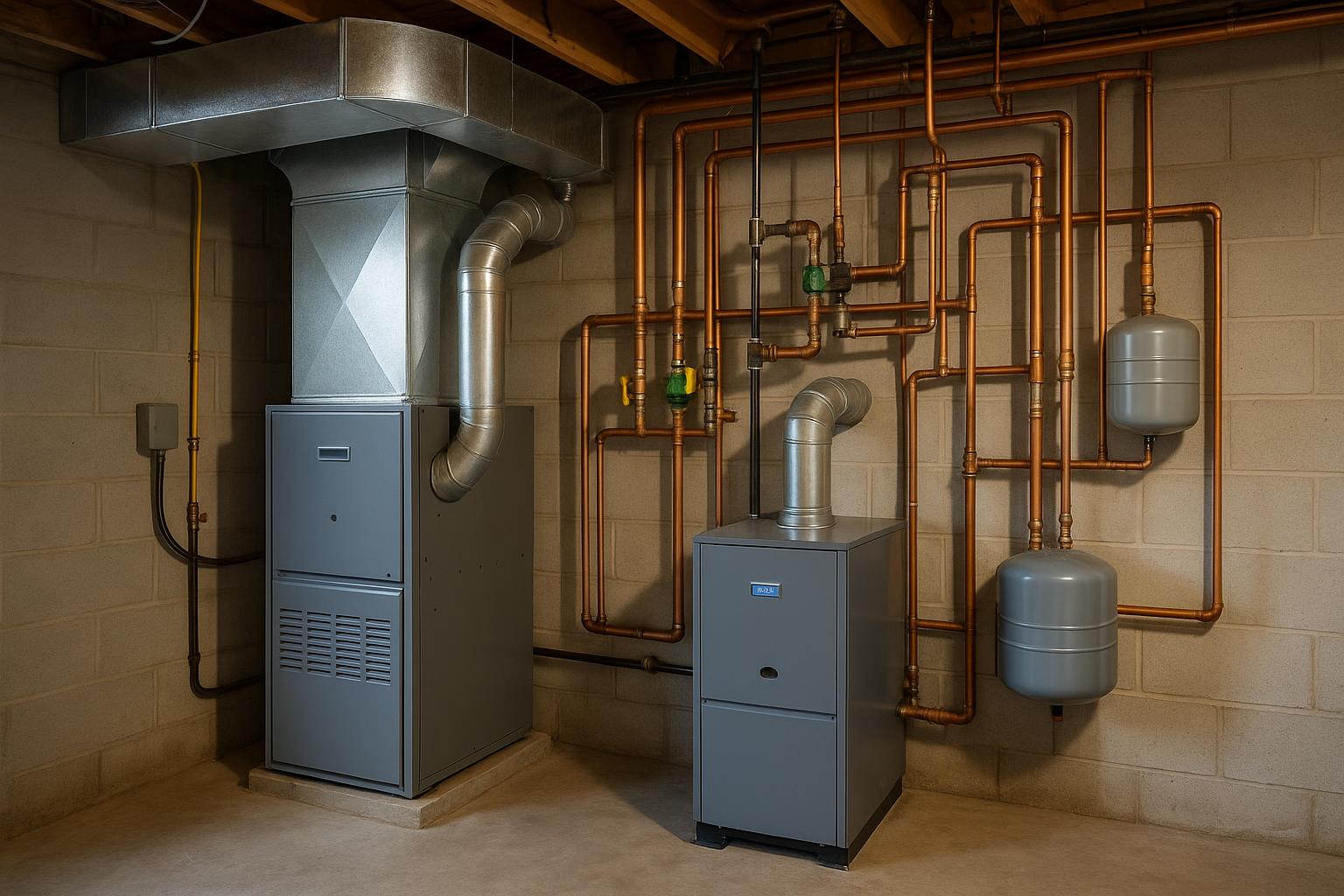
Boilers are the longest lived HVAC component in Connecticut homes. A cast iron boiler can last 30 years or more with annual service and proper water treatment. Modern high efficiency boilers have more electronics and sensors that may not reach those extremes, but 20+ years is common.
What Shortens HVAC Lifespan in Connecticut
The average figures above assume one thing: consistent maintenance. In practice, several factors pull lifespan down significantly:
Skipping annual tune ups. This is the biggest one. Dirty coils, clogged filters, low refrigerant, and unlubricated moving parts all accelerate wear. A single missed tune up is not catastrophic. Five years of missed tune ups compounds into premature failure. Express Home Services’ Comfort Club maintenance plan covers two seasonal tune ups per year, one before cooling season, one before heating season, which is the minimum needed to protect system lifespan.
Connecticut’s temperature extremes. The combination of cold winters and humid summers puts more stress on HVAC equipment than most states in the country. Systems cycle more frequently, work harder to hold temperature, and accumulate operating hours faster. Factor roughly 10 to 15 percent off the high end of any national average lifespan estimate for Connecticut conditions.
Undersized or oversized equipment. A system that is too small for the home runs continuously trying to reach set temperature. A system that is too large short cycles, turns on and off rapidly, which is hard on compressors and heat exchangers. Both scenarios reduce lifespan significantly. This is why proper load calculation at installation matters.
Deferred repairs. A refrigerant leak, a failing capacitor, a noisy blower motor, small problems left unaddressed put strain on surrounding components. What starts as a $200 repair becomes a $1,500 compressor or heat exchanger failure.
Repair vs. Replace: The 50 Percent Rule
Knowing how long HVAC systems last matters most when you are deciding whether to repair or replace an aging unit. Here is how to think through it:
Repair is usually the right call when:
- The system is less than 10 years old
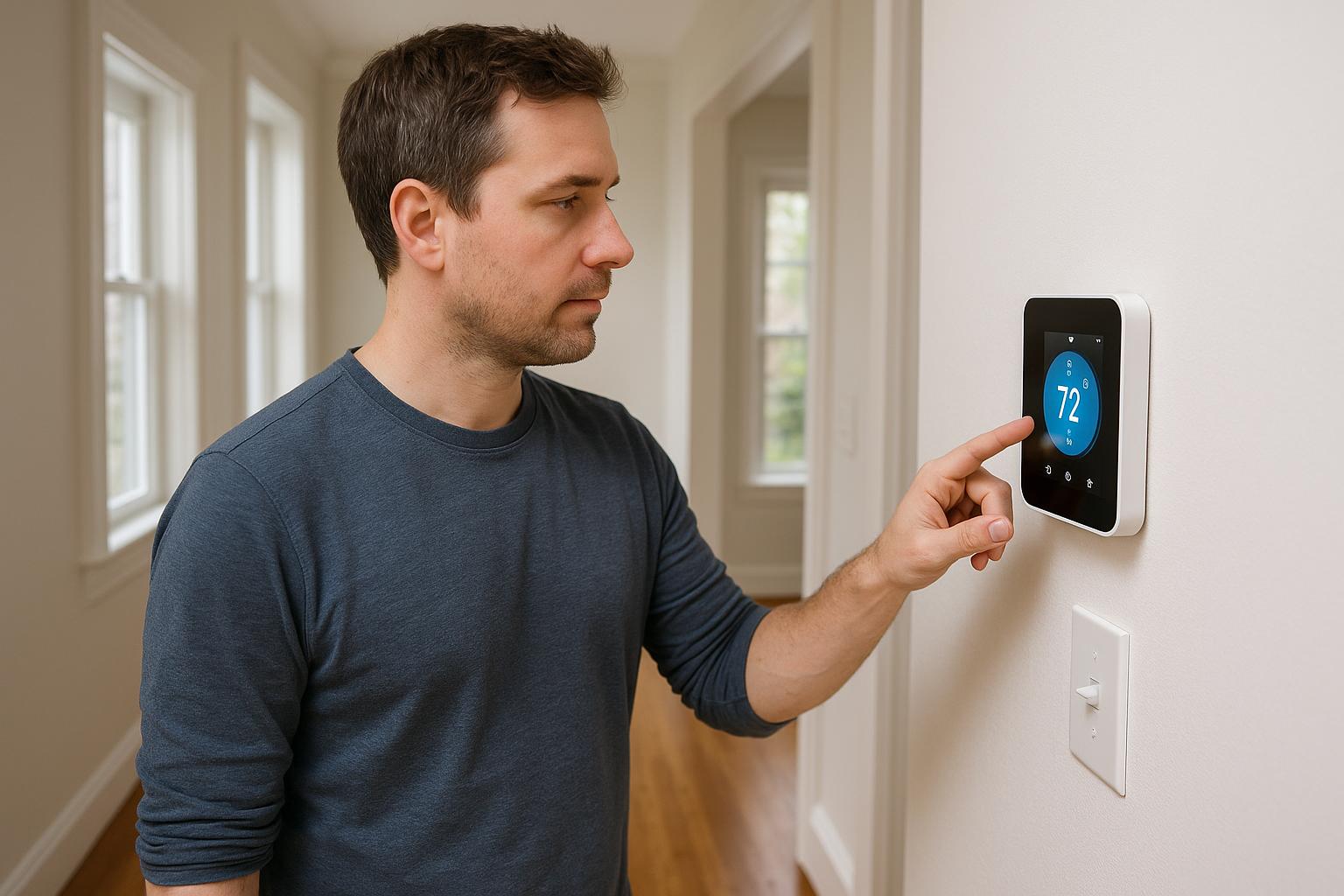
- The problem is a single, contained component (capacitor, contactor, blower motor, thermostat)
- The repair cost is less than 30 percent of a replacement system’s installed price
Replacement is usually the right call when:
- The system is within 5 years of its expected end of life
- You have had two or more repairs in the past two years
- The repair cost exceeds 50 percent of a new system’s installed price
- The system is under performing even when running (high energy bills, uneven temperatures, humidity problems)
When repair costs approach that 50 percent threshold, every dollar you spend extends the life of a deteriorating system that will still need replacement in the near future. A new system comes with a manufacturer warranty, improved efficiency, and years of reliable operation that an aging unit cannot match.
Express Home Services offers flexible HVAC financing in Connecticut with $0 down for qualified applicants, which is worth knowing if the timing of a replacement catches you off guard.
How to Get More Life Out of Your HVAC System
The single most effective thing you can do is schedule preventive maintenance before each season. Beyond that:
- Change air filters every 1 to 3 months depending on household conditions (pets, dust, allergies)
- Keep outdoor condenser coils clear of debris; leaves and vegetation block airflow
- Keep supply and return vents open and unobstructed
- Do not ignore small problems; address unusual noises, weak airflow, or temperature swings when they first appear
Connecticut’s cooling services and heating services are both seasonal. The best time to schedule maintenance is before each season, not during it, when contractors are fully booked.
Frequently Asked Questions: HVAC Lifespan in Connecticut
How long does an HVAC system last in Connecticut?
Most HVAC systems last 15 to 20 years in Connecticut with proper maintenance. Central air conditioners average 12 to 17 years; furnaces typically last 15 to 25 years; heat pumps and ductless mini splits average 15 to 20 years; boilers last 15 to 30 years. Connecticut’s climate, cold winters and humid summers, means systems accumulate operating hours faster than in milder states, so national averages tend to run slightly longer than what homeowners see locally.
At what age should I replace my HVAC system?
A good rule of thumb: if your system is within 5 years of its expected end of life and needs a repair costing more than 50 percent of a new system’s price, replace it. For central AC systems over 13 years old or furnaces over 18 years old showing any performance decline, the economics of continued repair rarely favor keeping the old unit.
How do I know if my HVAC system is failing?
The most common warning signs are rising energy bills without an explanation, uneven temperatures across the home, humidity that the system cannot manage, unusual noises (grinding, banging, rattling), and more frequent repair calls. Any one of these in an older system warrants a professional assessment.
Is it worth repairing a 15 year old HVAC system?
It depends on the component and cost. Minor repairs, capacitor, thermostat, contactor, on a 15 year old system in otherwise good condition may be worth it. Major repairs, compressor, heat exchanger, refrigerant system, on a 15 year old system that is approaching end of life are rarely the right investment. Get a side by side repair vs. replace estimate with honest guidance before deciding.
Does HVAC maintenance actually extend system life?
Yes, significantly. Annual professional tune ups catch small problems before they become failures, keep components operating within spec, and maintain efficiency. Homeowners who skip maintenance consistently see systems fail 3 to 5 years earlier than the expected lifespan. The cost of two annual tune ups is a fraction of what one major component failure costs.
Schedule HVAC Service in Connecticut
If your system is approaching its expected lifespan, starting to show warning signs, or simply due for its seasonal tune up, the right time to call is before a problem develops, not after.
Express Home Services is Connecticut’s 5.0 star rated HVAC company, providing full HVAC services including repair, replacement, and maintenance throughout Connecticut.
Call: (860) 606-4872, Monday through Saturday, 7 AM to 7 PM
Free estimates on all HVAC replacements. Clear repair vs. replace guidance before any work begins. Ask about our Comfort Club maintenance plan; members get priority scheduling, discounts on repairs, and annual tune ups included.