

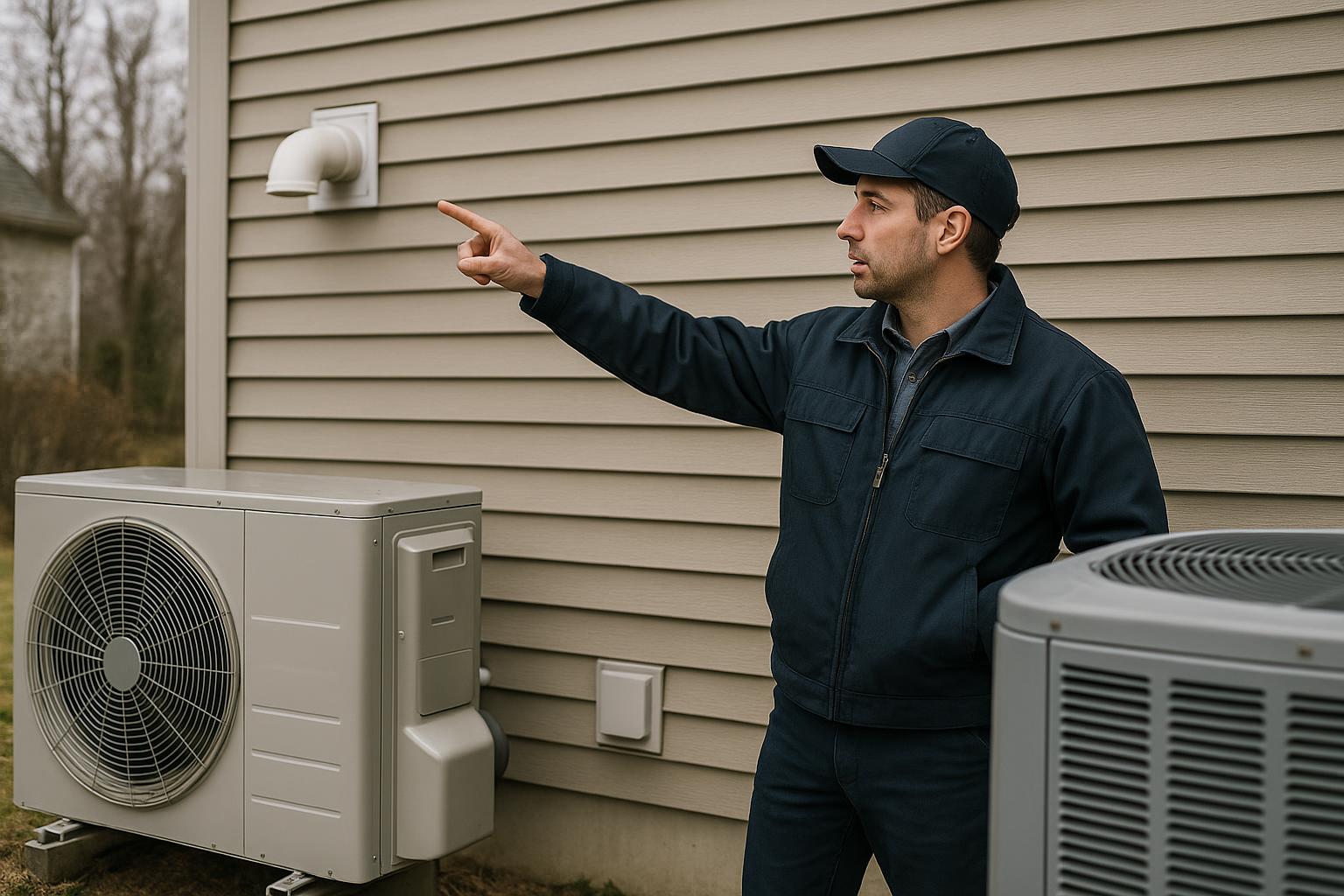
Winters in Connecticut do not leave room for a heating system that only sort of works. Homeowners comparing a heat pump vs. furnace for Connecticut winters need real information now, not sales talk, because this is a decision that affects comfort and cost for the next 15 to 20 years.
Both systems can heat a Connecticut home well. The right choice depends on your existing setup, your budget, and how much winter performance matters to you compared to long-term efficiency. This guide breaks down how each system performs in New England cold, what each one costs to install and run, and how to decide which is the better fit for your home.
How Heat Pumps and Furnaces Actually Work
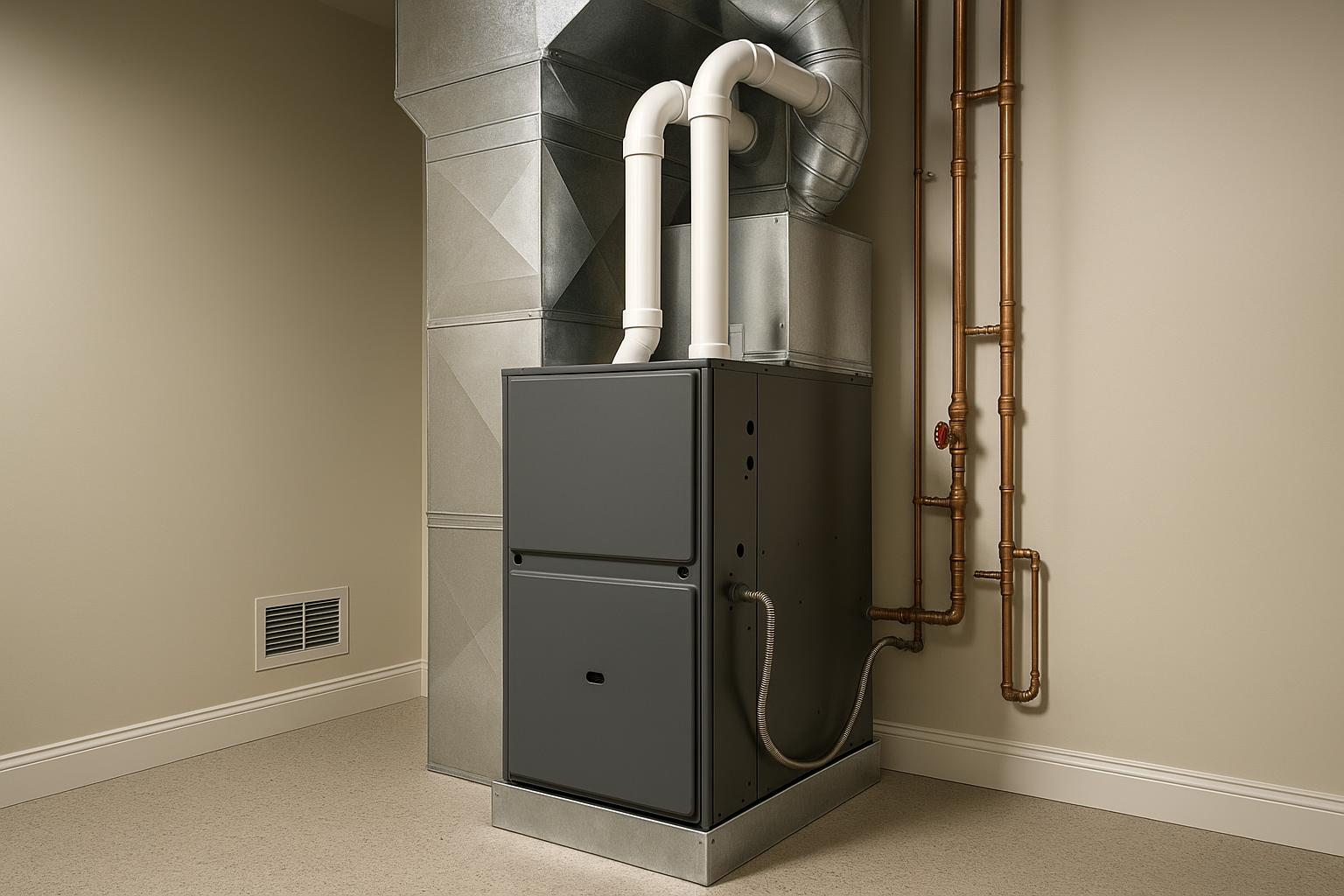
A furnace generates heat by burning fuel, usually natural gas, propane, or oil, and pushes that heat through the ductwork using a blower. It creates warmth directly, which is why furnaces have a reputation for delivering consistently hot air even in extreme cold.
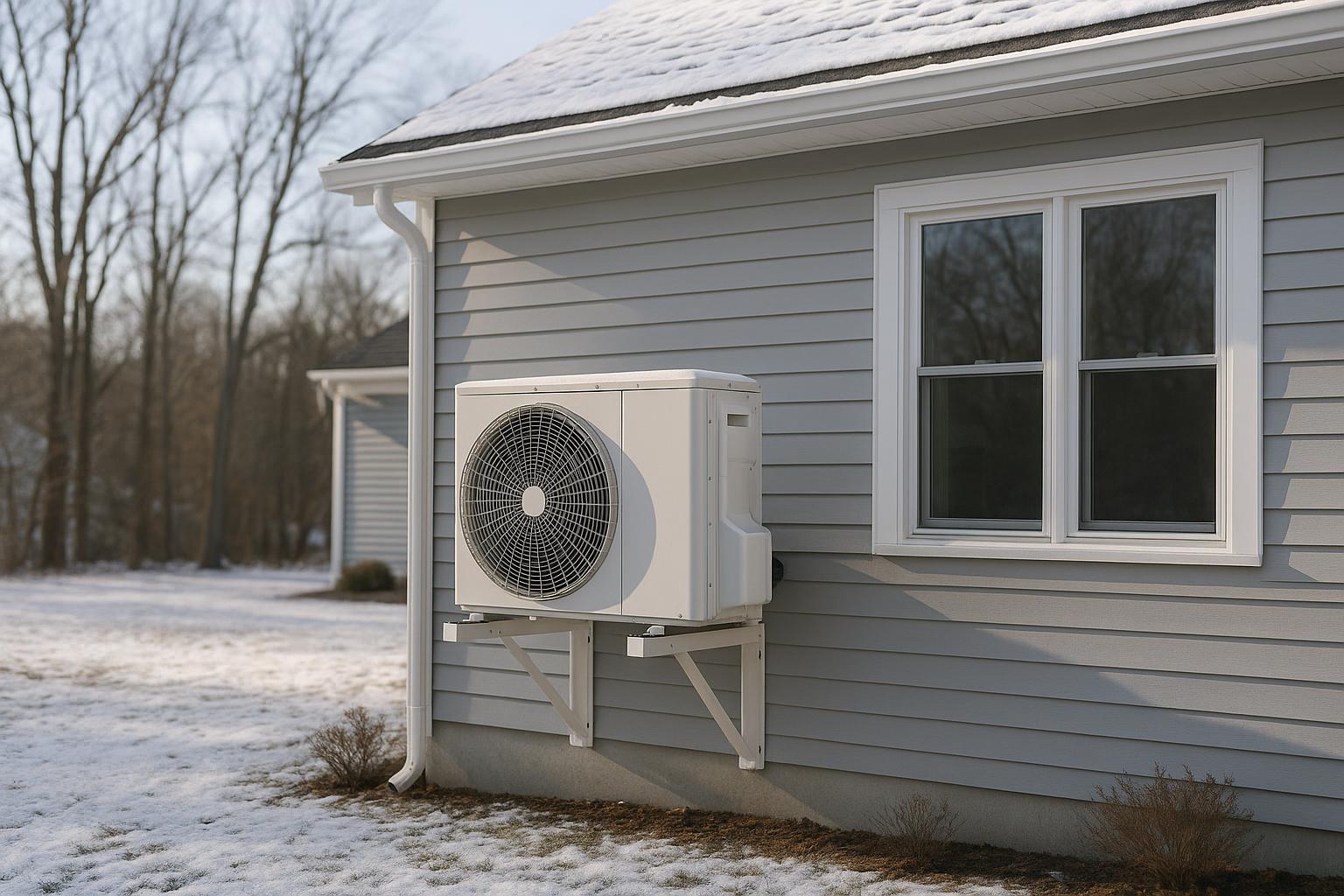
A heat pump works differently. Instead of creating heat, it moves heat. In winter, it pulls available heat from the outside air, since even cold air still holds usable heat, and transfers it indoors. In summer, the same system reverses and works as an air conditioner. That dual function is part of why heat pumps have become popular with Connecticut homeowners who want one system for both seasons instead of two.
Heat Pump vs. Furnace Connecticut: Which Wins in Cold Weather?
This is the question most homeowners actually care about, and it is fair to be skeptical. Older heat pump technology genuinely struggled once temperatures dropped into the 20s and below, and furnaces earned their reputation as the reliable cold weather choice.
That gap has closed significantly. Modern cold-climate heat pumps, including the certified Mitsubishi Electric systems Express installs, are engineered to keep producing heat efficiently well below freezing, with many models rated to perform down into single-digit and sub-zero temperatures. ENERGY STAR now certifies a specific category of cold-climate air source heat pumps built for exactly this kind of performance.
A furnace still has an edge in one specific scenario: a stretch of extreme cold where even a cold-climate heat pump’s output starts to drop. That is why many Connecticut homeowners choose a dual-fuel setup, pairing a heat pump with a furnace backup that only kicks in during the coldest days of the year. This approach gets the efficiency of a heat pump most of the winter and the reliability of a furnace when it matters most.
Cost Comparison: Installation and Monthly Bills
Installation cost and operating cost do not always move in the same direction, which is where a lot of the heat pump vs. furnace decision actually gets made.
Upfront installation: A heat pump installation in Connecticut typically costs more than a furnace replacement of similar capacity, mainly because a heat pump system includes both the outdoor and indoor components needed to heat and cool. A furnace replacement, especially one that reuses existing ductwork and venting, is often the lower upfront cost between the two.
Monthly operating cost: This is where fuel prices matter. A heat pump runs on electricity, and because it moves heat rather than generating it from burned fuel, it can deliver more heat per dollar of energy input than a standard furnace, particularly in a home already set up for electric service. A gas furnace can still be cost competitive where natural gas prices are low, while oil and propane furnaces tend to run more expensive per BTU than either option.
Rebates and incentives: Connecticut homeowners installing qualifying heat pump systems may be eligible for utility and state efficiency rebates through programs like Energize CT, which can meaningfully offset the higher upfront installation cost. Ask about current financing options when comparing real numbers for your home, since rebate availability and financing terms change the true cost comparison significantly.
Efficiency and Long-Term Performance
Heat pumps are rated using HSPF (Heating Seasonal Performance Factor) for heating and SEER for cooling, and modern cold-climate models post strong numbers on both. Because a heat pump does not burn fuel, it also has no combustion byproducts to vent and nothing that can leak carbon monoxide, which some homeowners weigh as a safety consideration alongside efficiency.
Furnaces are rated by AFUE (Annual Fuel Utilization Efficiency), and a high-efficiency furnace can still perform well, particularly in a home where gas service is already in place and ductwork is in good condition. A well-maintained furnace with a strong AFUE rating remains a solid, dependable choice, especially for homeowners not ready to take on the higher upfront cost of a full heat pump conversion.

Either system needs regular maintenance to hold its efficiency rating over time. A skipped tune-up on a furnace or heat pump alike leads to the same result: rising bills and a system working harder than it should. Our Comfort Club maintenance plan covers seasonal tune-ups for both heat pump and furnace systems, which protects the investment either way.
Which One Is Right for Your Connecticut Home?
A few questions tend to point homeowners toward the right answer:
- Do you already have gas service and working ductwork? If yes, a furnace replacement is often the simpler, lower cost path.
- Are you trying to eliminate a separate AC system? A heat pump handles both heating and cooling in one system, which appeals to homeowners looking to simplify.
- Is long-term efficiency more important to you than upfront cost? A heat pump, especially a cold-climate model, tends to win on that comparison.
- Do you want maximum reliability during the coldest weeks of the year with no compromise? A dual-fuel system, or a well-maintained furnace alone, gives homeowners that peace of mind.
There is no universal right answer. The best heating system for a Connecticut home depends on the home’s existing systems, the homeowner’s budget, and how much weight they put on long-term efficiency versus upfront simplicity. A proper load calculation and an honest conversation with a licensed technician, not a generic recommendation, is what actually determines the right system size and type for a specific house.
Get a Straight Answer for Your Home
Comparing a heat pump vs. furnace in the abstract only goes so far. The right system depends on your home’s ductwork, insulation, current fuel source, and budget, and that requires an actual assessment, not a guess.
Express Home Services installs and services both systems throughout Connecticut, including certified Mitsubishi Electric heat pump systems built for cold-climate performance. Whether the right move is a heat pump, a furnace, or a dual-fuel setup that uses both, our team can walk through the real numbers for your specific home before you decide.
Frequently Asked Questions About Heat Pumps and Furnaces in Connecticut
Can a heat pump really keep a Connecticut home warm in winter?
Yes, when it is a cold-climate heat pump sized correctly for the home. Modern cold-climate models, including certified Mitsubishi Electric systems, are built to keep producing heat efficiently well below freezing. Many Connecticut homeowners pair a heat pump with a furnace backup for extra reliability during the coldest stretches of winter.
Is a heat pump cheaper to run than a furnace in Connecticut?
It depends on local electricity and fuel prices, but a heat pump often delivers more heat per dollar of energy used because it moves heat rather than generating it by burning fuel. A gas furnace can still be cost competitive in homes with low natural gas rates, while oil and propane furnaces tend to cost more per BTU.
What is a dual-fuel or hybrid heating system?
A dual-fuel system pairs a heat pump with a furnace backup. The heat pump handles heating most of the winter for efficiency, and the furnace automatically takes over during the coldest days when a heat pump’s output starts to drop. It is a popular option for Connecticut homeowners who want both efficiency and cold weather reliability.
How much does it cost to install a heat pump in Connecticut?
Cost varies by home size, ductwork condition, and system type, and it is typically higher upfront than a furnace replacement of similar capacity. Utility and state rebate programs like Energize CT can offset some of that cost, and financing options are available to spread the investment over time.
Should I replace my furnace with a heat pump?
That depends on your existing ductwork, fuel source, budget, and how much you value long-term efficiency versus upfront cost. A licensed technician can run a proper load calculation and walk through the real numbers for your specific home rather than giving a generic answer.
Ready to Compare Heating Systems for Your Home?
Express Home Services is a family-owned, 5.0-star rated HVAC company and certified Mitsubishi Electric dealer serving Connecticut. Our technicians install and service both heat pumps and furnaces, and we will walk through the honest comparison for your specific home before you spend a dollar.
Call: (860) 606-4872, Monday through Saturday, 7 AM to 7 PM
Schedule online: Book an appointment online
Free estimates on heat pump installation, furnace replacement, and dual-fuel system design.